H1N1 (Swine Flu): Symptoms, Causes, Testing, Treatment & Prevention
H1N1 (Swine Flu): Symptoms, Testing, Treatment & Prevention
H1N1, commonly called swine flu, is a strain of influenza A virus that can cause respiratory infection in humans. It spreads mainly through respiratory droplets when an infected person coughs, sneezes, or talks. Most people recover with appropriate care, but H1N1 can sometimes cause serious complications, particularly in high-risk individuals.
Understanding the symptoms and getting tested when medically appropriate can help with timely diagnosis and management.
What is H1N1?
H1N1 is a subtype of Influenza A virus. The 2009 H1N1 pandemic led to widespread infection around the world. Today, H1N1 viruses circulate as part of seasonal influenza, so the infection is generally managed as one of the types of seasonal flu.
Despite the common name "swine flu," people can contract and transmit H1N1 from other people; eating properly cooked pork does not cause H1N1 infection.
How Does H1N1 Spread?
H1N1 can spread through respiratory secretions from an infected person. Transmission may occur when an infected person:
Coughs or sneezes
Talks or breathes at close range
Has close contact with another person
Contaminates hands or surfaces and another person subsequently touches their mouth, nose, or eyes
Crowded and poorly ventilated environments can increase the risk of respiratory virus transmission.
Common Symptoms of H1N1
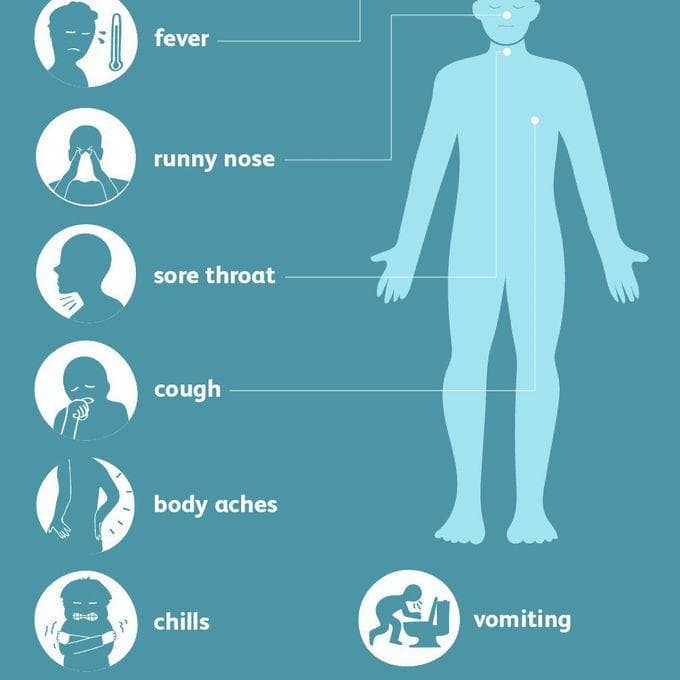
H1N1 symptoms can resemble those of other types of influenza. Common symptoms include:
Fever or chills
Cough
Sore throat
Runny or blocked nose
Headache
Body ache and muscle pain
Fatigue or weakness
Occasionally nausea, vomiting, or diarrhoea, particularly in children
Symptoms can vary from person to person, and not everyone with influenza will have a fever.
When Should You Consider H1N1 Testing?
Because H1N1 symptoms overlap with other respiratory infections, symptoms alone cannot reliably confirm H1N1 infection.
A doctor may recommend influenza testing depending on symptoms, duration of illness, exposure history, local circulation of influenza, and whether the result would influence treatment or infection-control decisions.
Laboratory testing may be particularly useful in patients with severe illness, those at increased risk of complications, or during suspected outbreaks, as advised by a healthcare professional.
H1N1 Testing
H1N1/Influenza testing can be performed using respiratory specimens collected according to the test being used.
Depending on the clinical situation and laboratory facility, testing may include:
Molecular tests such as RT-PCR:
These tests detect influenza viral genetic material and are generally more sensitive than rapid antigen tests.
Rapid influenza diagnostic tests:
These can provide results more quickly, but their sensitivity can be lower than molecular testing. A negative rapid test does not always exclude influenza.
Your doctor or laboratory can advise which test is appropriate based on the clinical situation.
Who Is at Higher Risk of Complications?
Although healthy individuals can also develop significant influenza illness, complications are more likely in certain groups, including:
Older adults
Young children
Pregnant women
People with asthma or chronic lung disease
People with heart disease
People with diabetes
People with weakened immune systems
Individuals with other significant chronic medical conditions
These individuals should seek medical advice early if they develop influenza-like symptoms.
Treatment of H1N1
Treatment depends on the severity of illness and the patient's individual risk factors.
For mild illness, doctors may recommend:
Adequate rest
Plenty of fluids
Fever and pain management as advised
Monitoring for worsening symptoms
Antiviral medicines, such as oseltamivir, may be recommended by a doctor for selected patients. They are most beneficial when started early, particularly in patients with severe illness or those at higher risk of complications.
Antibiotics do not treat H1N1 or other viral influenza infections. They may be prescribed only when a doctor suspects a bacterial infection or complication.
Do not start antiviral medicines or antibiotics without medical advice.
How Can H1N1 Be Prevented?
Some simple measures can reduce the spread of influenza:
Get the seasonal influenza vaccine as recommended by your doctor.
Wash your hands regularly with soap and water or use an alcohol-based hand sanitizer.
Avoid close contact with people who are sick.
Avoid touching your eyes, nose, and mouth with unwashed hands.
Cover your mouth and nose when coughing or sneezing.
Stay home when you are unwell, where possible.
Improve ventilation in indoor spaces.
Follow local public-health advice during periods of increased influenza activity.
Warning Signs That Need Medical Attention
Most influenza infections recover without serious complications. However, seek prompt medical attention if there is:
Difficulty breathing or shortness of breath
Chest pain or pressure
Bluish or grey lips/face
Severe weakness, confusion, or unusual drowsiness
Persistent or worsening high fever
Dehydration or inability to keep fluids down
Symptoms that improve and then suddenly become worse
Children, older adults, pregnant women, and people with chronic medical conditions may require earlier medical evaluation.
Why Timely Testing Matters
H1N1 can present similarly to COVID-19, other influenza strains, and several other respiratory infections. Appropriate laboratory testing, combined with clinical evaluation, can help doctors make better-informed decisions about patient management.
If your doctor recommends influenza testing, choose a reliable diagnostic laboratory that follows appropriate sample collection and testing procedures.
H1N1 Testing at RPL Labs
RPL Labs provides diagnostic laboratory services to support doctors and patients with timely and reliable testing. If you have symptoms suggestive of influenza or have been advised to undergo H1N1 testing, consult your doctor regarding the appropriate laboratory test.
Important: A laboratory test should be interpreted along with the patient's symptoms and clinical examination. A negative result does not necessarily rule out influenza in every situation, particularly when testing is performed at an inappropriate time or with a less-sensitive test.
Disclaimer: This information is intended for general health awareness and does not replace consultation with a qualified medical professional. Testing and treatment should be undertaken according to medical advice.