CRP TEST : WHAT IT MEANS IS IT NECESSARY
CRP Test: What Does a High CRP Level Mean?
C-Reactive Protein (CRP) is a protein produced mainly by the liver in response to inflammation. A CRP blood test measures the amount of CRP in your blood and can help doctors identify and monitor inflammation or infection.
CRP is a non-specific marker. This means that a high CRP level indicates that inflammation may be present, but it does not by itself tell you exactly where the inflammation is or what is causing it.
What Is a CRP Test?
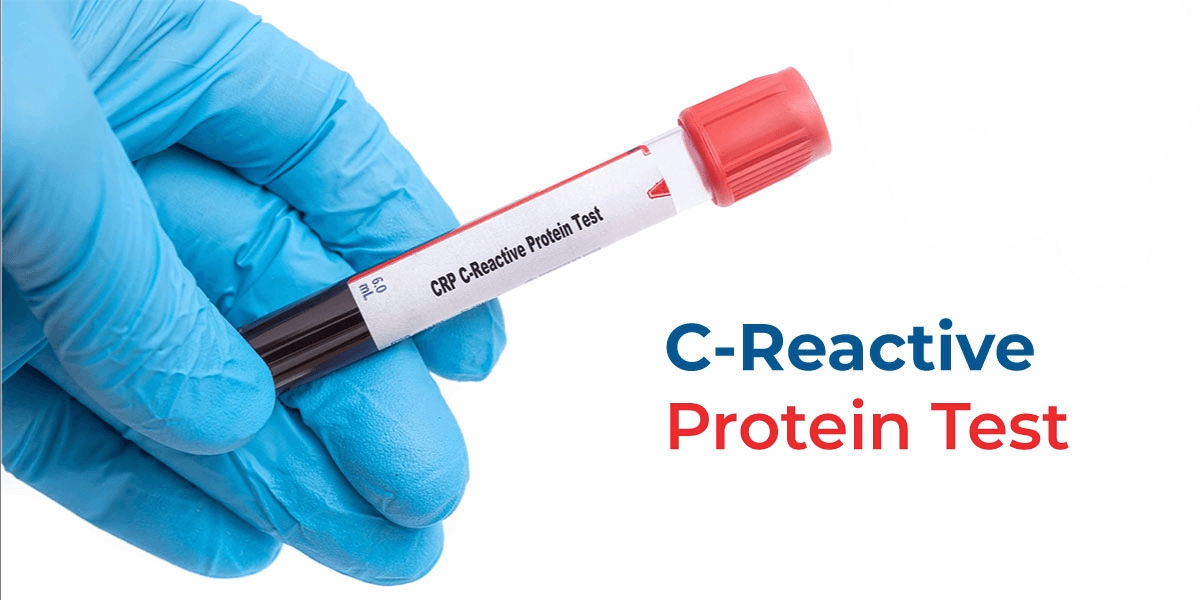
A CRP test is a simple blood test used to detect inflammation in the body.
Your doctor may recommend a CRP test when there are symptoms or clinical findings suggesting:
Bacterial or viral infection
Inflammatory diseases
Autoimmune conditions
Tissue injury
Certain chronic inflammatory conditions
Monitoring of an existing inflammatory illness or response to treatment
CRP may also be used along with other blood tests, physical examination and medical history to assess a patient's condition.
What Does a High CRP Level Mean?
A high CRP level generally means that there is inflammation somewhere in the body.
However, CRP alone cannot determine the cause. An elevated result may occur due to:
1. Infections
CRP can increase during infections. Levels may become particularly elevated in some bacterial infections, although CRP cannot reliably distinguish bacterial from viral infection on its own.
2. Inflammatory Conditions
Conditions such as rheumatoid arthritis, inflammatory bowel disease and other inflammatory disorders can cause increased CRP.
3. Tissue Injury
CRP may rise following significant tissue injury, trauma or surgery.
4. Chronic Health Conditions
Certain long-term conditions associated with inflammation may be associated with persistently elevated CRP.
5. Obesity and Other Factors
CRP can also be influenced by factors such as obesity, smoking and other health conditions.
What Is the Normal CRP Level?
The reference range depends on the laboratory method and reporting units.
Many laboratories consider a standard CRP result around <5 mg/L to be within the normal range, but the laboratory's own reference interval should always be used when interpreting a report.
A mildly elevated CRP does not necessarily indicate a serious disease. Similarly, a very high CRP should be interpreted in the context of symptoms and clinical findings.
Does High CRP Mean Bacterial Infection?
Not necessarily.
CRP can increase with both infectious and non-infectious causes of inflammation. Although markedly elevated CRP can occur with bacterial infections, CRP alone should not be used to diagnose a bacterial infection or decide whether antibiotics are required.
Doctors may consider CRP together with:
CBC
Total and differential WBC count
ESR
Procalcitonin, when appropriate
Fever and other symptoms
Physical examination
Other relevant investigations
CRP Test in Fever
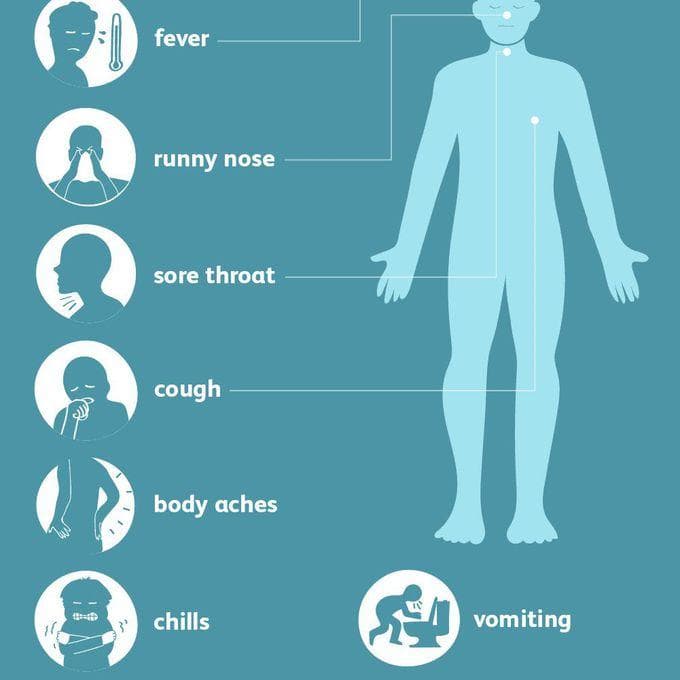
CRP is commonly requested when a patient has fever or symptoms suggesting an inflammatory or infectious condition.
For example, a doctor may use CRP along with CBC and clinical examination to assess whether significant inflammation is present and to monitor how the condition changes over time.
A falling CRP level can sometimes support an improvement in inflammation, but results should always be interpreted along with the patient's clinical condition.
CRP vs ESR: What Is the Difference?
Both CRP and ESR are markers of inflammation, but they behave differently.
CRP:
Can rise relatively quickly in response to inflammation.
Can fall relatively quickly when inflammation improves.
Useful for monitoring changes in inflammatory activity.
ESR:
Can be affected by factors such as age, anaemia and other conditions.
Generally changes more slowly.
May remain elevated even after an acute inflammatory process has improved.
Doctors may order one or both tests depending on the clinical situation.
What Is hs-CRP?
High-sensitivity CRP (hs-CRP) is a more sensitive test used to detect very low levels of CRP.
It is different from the standard CRP test and is commonly used in specific situations, particularly when assessing cardiovascular risk in appropriate patients.
A standard CRP test and an hs-CRP test should not be interpreted interchangeably.
Can CRP Be High Without Symptoms?
Yes. CRP can be elevated even when symptoms are mild or not obvious.
A high result should therefore not be interpreted in isolation. Your doctor may consider repeating the test or ordering additional investigations depending on your symptoms and medical history.
When Should You Consult a Doctor?
Consult a doctor if you have an elevated CRP along with symptoms such as:
Persistent or high fever
Severe weakness
Shortness of breath
Persistent cough
Unexplained weight loss
Significant joint pain or swelling
Persistent abdominal symptoms
Symptoms that are worsening or not improving
Urgent medical attention may be necessary for severe symptoms such as difficulty breathing, chest pain, confusion, severe dehydration or sudden deterioration.
CRP Testing at RPL Labs
A CRP blood test is a simple laboratory investigation that can help your doctor assess inflammation and monitor certain illnesses.
If your doctor has advised a CRP test, RPL Labs can help with laboratory testing as part of your overall medical evaluation.
Remember, a CRP result is not a diagnosis by itself. Your doctor should interpret the result together with your symptoms, examination and other investigations.
Conclusion
A high CRP means that inflammation may be present somewhere in the body, but it does not identify the exact cause. Infection, inflammatory diseases, tissue injury and several other conditions can increase CRP.
If your CRP is elevated, don't panic or start treatment based on the number alone. Discuss the result with your doctor, who can determine whether further testing or treatment is necessary.
Disclaimer: This article is for general health information only and does not replace professional medical advice. CRP results should be interpreted according to the laboratory's reference range and the patient's clinical condition.