Dengue: Symptoms, Diagnosis, Treatment and Prevention
Dengue: Symptoms, Diagnosis, Treatment and Prevention
Dengue is a mosquito-borne viral infection that is commonly transmitted by the Aedes aegypti mosquito. Dengue can cause high fever, body pain and weakness, and in some cases may become serious if warning signs are ignored.
Early recognition, appropriate testing and proper medical care can help reduce the risk of complications.
Common Symptoms of Dengue
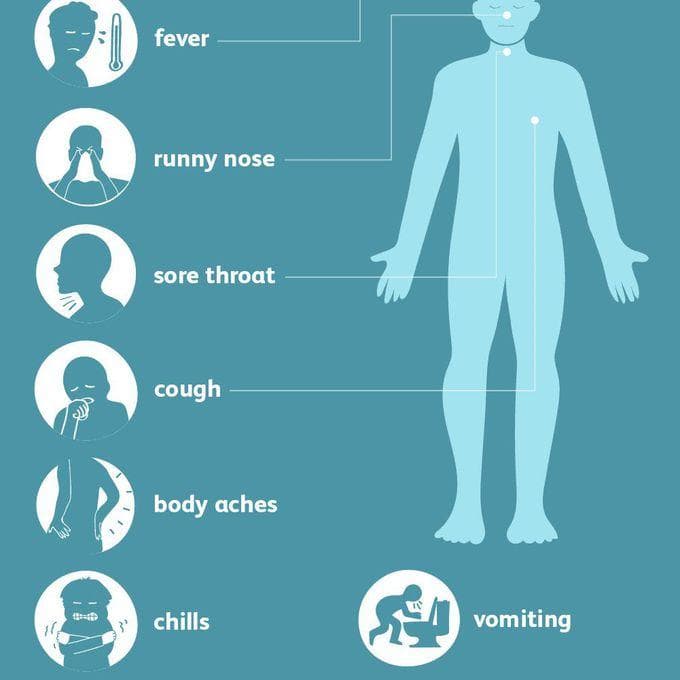
Dengue symptoms can vary from person to person. Common symptoms include:
Sudden high fever — usually around 102°F or higher
Severe headache, especially pain behind the eyes
Joint and muscle pain
Eye pain
Skin rash
Nausea and vomiting
Extreme tiredness and weakness
Loss of appetite
If you develop a high fever along with several of these symptoms, consult a healthcare professional and consider appropriate dengue testing.
Dengue Diagnosis: Which Tests Are Used?
Laboratory testing can help confirm dengue infection. The appropriate test may depend on how many days have passed since the symptoms began.
1. NS1 Antigen Test
The NS1 antigen test can be useful during the early stage of dengue, particularly during approximately the first 1–5 days of illness.
2. Dengue IgM / IgG Antibody Test
Dengue IgM and IgG antibody testing may be useful after approximately 5 days of illness. Your doctor can recommend the appropriate test based on your symptoms and the stage of infection.
3. CBC – Complete Blood Count
A CBC test helps monitor important blood parameters such as:
Platelet count
Haemoglobin
White blood cell (WBC) count
Platelet levels can change during dengue, so your doctor may recommend repeat CBC testing when clinically necessary.
4. Hematocrit Test
A hematocrit test measures the proportion of red blood cells in the blood. Monitoring hematocrit can help doctors assess changes in the patient's condition during dengue.
5. USG Abdomen
In selected cases, your doctor may recommend an ultrasound examination of the abdomen to look for fluid accumulation or other findings associated with dengue complications.
Treatment and Care for Dengue
There is no specific antiviral medicine routinely used to cure dengue. Treatment generally focuses on supportive care and monitoring.
Stay Well Hydrated
Drink sufficient fluids as advised by your healthcare professional. Depending on your condition, this may include:
Water
ORS
Coconut water
Other suitable fluids
Adequate hydration is particularly important when fever, vomiting or poor appetite is present.
Take Medicines Only as Advised
For fever and discomfort, paracetamol may be recommended by a doctor.
Avoid aspirin and ibuprofen unless specifically advised by your doctor, as these medicines can increase bleeding risk in dengue.
Do not start or stop medicines on your own. Always follow medical advice.
Monitor Platelets and Other Blood Parameters
If your doctor recommends repeat blood tests, make sure they are completed as advised. A falling platelet count or other changes in blood parameters may require closer medical monitoring.
Warning Signs: When to Seek Immediate Medical Attention
Some dengue patients can develop severe illness. Seek immediate medical attention if symptoms such as the following occur:
Persistent vomiting
Severe abdominal pain
Difficulty breathing
Cold hands and feet
Bleeding from the nose or gums
Reduced urine output
Rapidly decreasing platelet count or other concerning blood-test changes
Do not wait for symptoms to become severe before seeking medical care.
How Can You Prevent Dengue?
The best way to prevent dengue is to reduce mosquito breeding around your home and surroundings.
Eliminate Stagnant Water
Aedes mosquitoes can breed in small collections of stagnant water. Regularly check and empty:
Flower pots and plant trays
Water coolers
Buckets and containers
Water storage areas
Drains and other places where water can collect
Keep water storage containers properly covered.
Protect Yourself From Mosquito Bites
You can reduce mosquito bites by:
Wearing full-sleeved clothing
Using mosquito nets
Using mosquito repellents appropriately
Keeping doors and windows protected where possible
Important Reminder
Dengue should not be self-treated. If you have persistent fever or symptoms suggestive of dengue, consult a qualified healthcare professional and get the appropriate tests recommended for your condition.
Early diagnosis, proper hydration, medical monitoring and timely treatment can help protect against serious complications.
Stay Clean. Keep Mosquitoes Away. Stay Safe.
RPL Labs is committed to supporting better health awareness through reliable diagnostic testing and timely health information.
This information is for general awareness and does not replace consultation with a qualified healthcare professional.