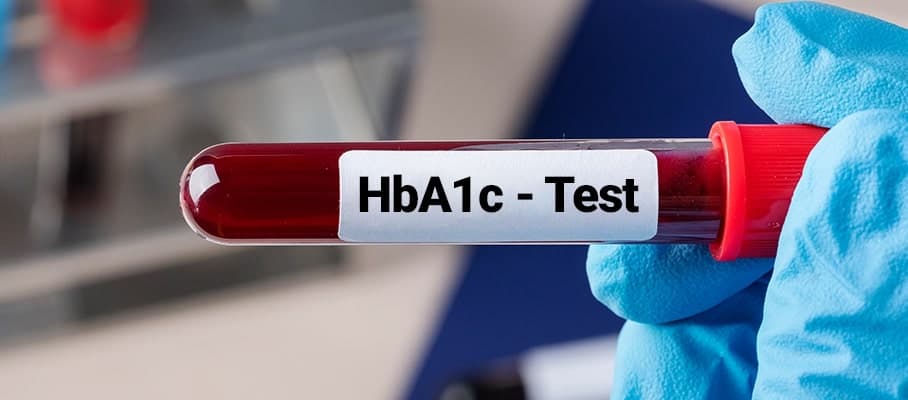
HbA1c Test: What It Measures and Why It Matters
HbA1c Test: What It Measures and Why It Matters
Diabetes can sometimes develop without obvious symptoms. One of the commonly used laboratory tests for assessing blood glucose control is the HbA1c test.
Unlike a blood glucose test that measures your blood sugar at a particular point in time, HbA1c provides an estimate of average blood glucose levels over the previous two to three months.
What Is HbA1c?
HbA1c stands for glycated haemoglobin.
When glucose circulates in your blood, some of it attaches to haemoglobin in red blood cells. Since red blood cells typically remain in circulation for around three months, measuring HbA1c provides an indication of average blood glucose exposure over that period.
Why Is the HbA1c Test Done?
Healthcare professionals may recommend HbA1c testing for:
Diabetes screening
Monitoring blood glucose control
Assessing changes in blood glucose over time
Monitoring people who have already been diagnosed with diabetes
HbA1c vs Fasting Blood Sugar
These tests provide different information.
Fasting blood sugar measures your blood glucose at a specific point in time after fasting.
HbA1c provides an estimate of average blood glucose levels over approximately the previous two to three months.
Depending on your circumstances, your healthcare professional may recommend one or both tests.
Does HbA1c Require Fasting?
HbA1c testing generally does not require fasting.
However, if your healthcare professional has requested other blood tests along with HbA1c, those tests may have separate preparation requirements.
Always confirm the instructions before your test.
Who May Need an HbA1c Test?
Your healthcare professional may recommend HbA1c testing if you:
Have risk factors for diabetes
Have previously been diagnosed with diabetes
Have symptoms that require evaluation
Need monitoring of blood glucose control
Have a family history of diabetes
Understanding Your HbA1c Report
HbA1c results are generally reported as a percentage.
The interpretation of the result depends on the individual and the purpose of testing. Your healthcare professional should interpret your result along with your medical history and other relevant information.
Do not diagnose yourself or change medication based solely on a laboratory report.
How Often Should HbA1c Be Tested?
The frequency of testing depends on whether you are being screened for diabetes, already have diabetes, or are monitoring treatment.
Your healthcare professional can recommend an appropriate testing schedule based on your individual situation.
Conclusion
The HbA1c test is a useful laboratory test for assessing average blood glucose levels over several months.
Regular monitoring, when recommended by a healthcare professional, can help with the ongoing management of diabetes and related health risks.
RPL Labs Diagnostic Center provides HbA1c testing and other laboratory investigations to support your healthcare needs.
Frequently Asked Questions
Can I drink water before an HbA1c test?
HbA1c itself generally does not require fasting. If other tests are included, follow the preparation instructions provided by your healthcare professional or laboratory.
Is HbA1c the same as blood sugar?
No. Blood glucose testing measures glucose at a specific point in time, while HbA1c reflects average glucose exposure over approximately two to three months.
Can HbA1c be used for diabetes diagnosis?
HbA1c is commonly used for diabetes screening and diagnosis, but results should be interpreted by a qualified healthcare professional.
Should I stop my diabetes medication before testing?
Do not stop or change medication unless specifically instructed by your healthcare professional.