
Full Body Health Checkup: What Does It Actually Include?
Full Body Health Checkup: What Does It Actually Include?
A "full body health checkup" is a term commonly used for a group of laboratory and diagnostic tests designed to provide an overview of different aspects of health.
However, there is no single standard set of tests that is appropriate for everyone.
The tests included in a health checkup can vary depending on age, gender, medical history, lifestyle, risk factors, and the healthcare professional's recommendations.
What Can a Full Body Health Checkup Include?
Depending on the package and individual requirements, a health checkup may include several laboratory tests.
Complete Blood Count
A Complete Blood Count evaluates different blood cell components and can provide information useful in assessing several health conditions.
Blood Sugar Tests
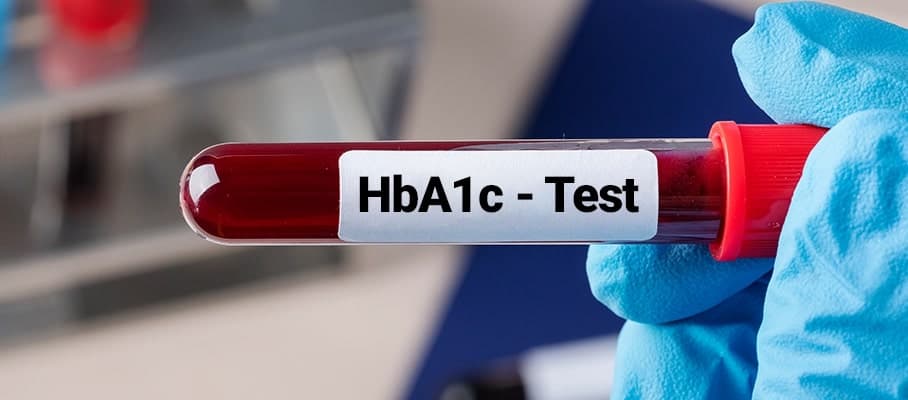
Depending on the purpose of testing, this may include fasting blood glucose, post-meal glucose, or HbA1c.
Lipid Profile
A lipid profile measures cholesterol and triglycerides and can contribute to cardiovascular risk assessment.
Liver Function Tests
These tests evaluate several substances and enzymes associated with liver function.
Kidney Function Tests
Kidney-related blood tests can provide information about kidney function and may include parameters such as creatinine.
Thyroid Tests
Depending on individual requirements, thyroid testing may include TSH, T3, and T4.
Vitamin Tests
Some health checkups may include Vitamin D and Vitamin B12 testing depending on the package and individual requirements.
Urine Examination
A routine urine examination can provide information about various aspects of urinary and general health.
Why Consider a Health Checkup?
Preventive health screening can help you understand important health parameters and may identify certain abnormalities that require further evaluation.
A health checkup can be particularly useful when recommended based on:
Age
Family history
Lifestyle
Existing health conditions
Personal risk factors
Healthcare professional recommendations
Is a Full Body Checkup Necessary Every Year?
Not everyone requires the same tests every year.
The frequency and type of screening should be decided based on your individual health profile and recommendations from your healthcare professional.
More tests do not automatically mean better healthcare. The goal should be to choose appropriate tests that provide useful clinical information.
How Should You Prepare?
Preparation depends on the tests included in your health checkup.
Some tests may require fasting, while others do not.
If your package includes multiple tests, follow the preparation instructions provided by your diagnostic laboratory.
Conclusion
A full body health checkup can provide a broader picture of your health when appropriate tests are selected for your individual needs.
Instead of choosing tests simply because they are included in a package, discuss your health history and requirements with a healthcare professional.
RPL Labs Diagnostic Center offers a range of laboratory and diagnostic testing services to help you stay informed about your health.
Frequently Asked Questions
What is included in a full body health checkup?
There is no universal list. Packages may include blood count, blood sugar, cholesterol, liver and kidney tests, thyroid tests, urine examination, and other investigations.
Does a full body checkup require fasting?
Some tests may require fasting. Check the preparation instructions before your appointment.
Can a health checkup detect every disease?
No. A health checkup cannot detect every disease or guarantee that a person has no health problems. Additional evaluation may be required depending on symptoms and risk factors.
How often should I have a full body health checkup?
The appropriate frequency depends on your age, health history, risk factors, and healthcare professional's advice.
Is a full body checkup useful if I have no symptoms?
Preventive screening can sometimes identify health risks or abnormalities before symptoms appear. However, the appropriate screening tests vary from person to person.