Annual Health Checkup: Essential Tests Everyone Should Consider
Annual Health Checkup: Essential Tests Everyone Should Consider
Many health problems can develop without noticeable symptoms in the early stages. Regular health checkups can help you understand important health parameters and identify potential concerns that may require further medical evaluation.
An annual health checkup does not necessarily mean taking every available medical test. The right tests depend on factors such as your age, gender, family history, lifestyle, existing health conditions, and recommendations from your healthcare professional.
What Tests Are Commonly Included in an Annual Health Checkup?
Complete Blood Count (CBC)
A Complete Blood Count, commonly known as CBC, provides information about different types of blood cells, including red blood cells, white blood cells, and platelets.
It may help healthcare professionals evaluate conditions such as anemia, infections, and other blood-related concerns.
Blood Sugar Testing
Blood glucose testing helps assess your blood sugar levels. Depending on your individual requirements, your healthcare professional may recommend fasting blood glucose, post-meal blood glucose, or HbA1c testing.
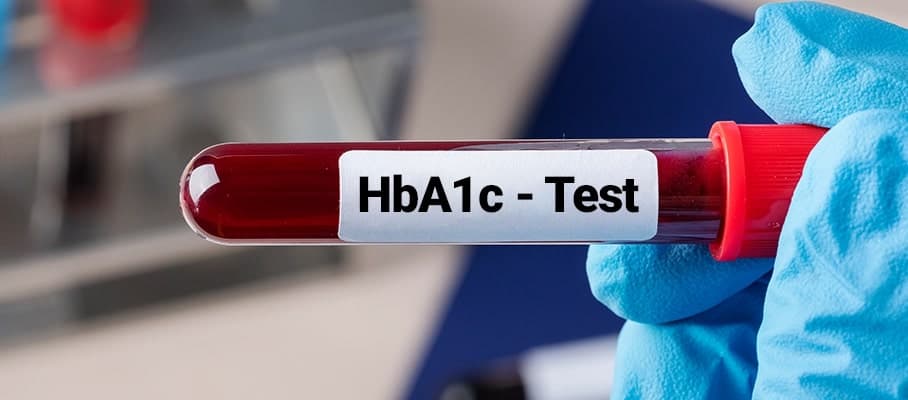
HbA1c Test
The HbA1c test provides an estimate of average blood glucose levels over approximately the previous two to three months.
It is commonly used for diabetes screening and monitoring blood glucose control.
Lipid Profile
A lipid profile measures different types of fats in the blood, including total cholesterol, LDL cholesterol, HDL cholesterol, and triglycerides.
The results can help your healthcare professional assess cardiovascular risk along with other relevant factors.
Liver Function Tests
Liver function tests measure various substances and enzymes associated with liver function.
These tests may be recommended depending on your symptoms, health history, medications, or other risk factors.
Kidney Function Tests
Kidney-related blood tests can provide information about kidney function. Tests may include measurements such as creatinine and other parameters depending on your healthcare professional's recommendation.
Thyroid Profile
A thyroid profile may include tests such as TSH, T3, and T4.
These tests can help healthcare professionals evaluate thyroid function when symptoms or risk factors are present.
Vitamin Testing
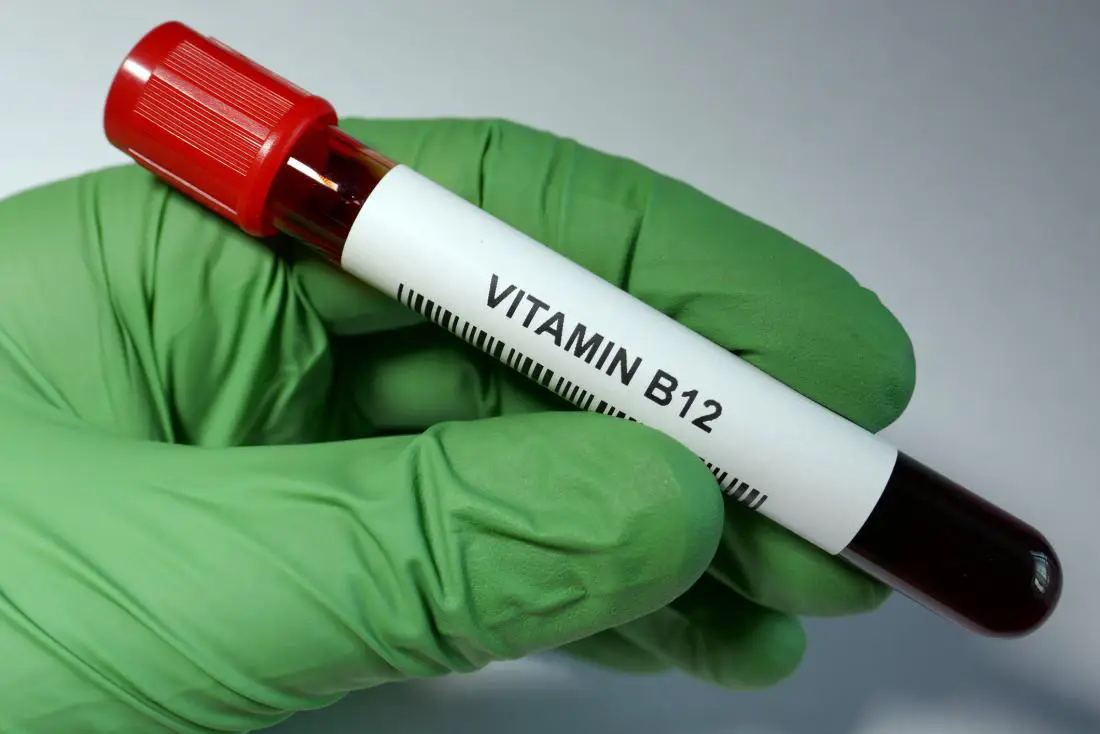
Depending on your symptoms, diet, age, lifestyle, and medical history, your healthcare professional may recommend tests such as Vitamin D or Vitamin B12.
Who Should Consider Regular Health Checkups?
Routine health screening may be particularly useful for people who:
Are getting older
Have a family history of diabetes or heart disease
Have a sedentary lifestyle
Have dietary or nutritional concerns
Have existing health conditions
Take long-term medications
Have symptoms that require medical evaluation
How Often Should You Have a Health Checkup?
There is no single testing schedule that is suitable for everyone.
The frequency and type of health screening should depend on your age, health history, risk factors, and recommendations from your healthcare professional.
How Should You Prepare for a Health Checkup?
Some laboratory tests may require fasting or other preparation.
Always follow the preparation instructions provided by your healthcare professional or diagnostic laboratory. If you are unsure whether fasting is required, confirm before visiting the laboratory.
Conclusion
Regular health screening can be an important part of preventive healthcare. Appropriate tests can provide useful information about blood sugar, cholesterol, blood counts, thyroid function, liver and kidney health, and other areas depending on your individual requirements.
If you are considering a health checkup, speak with your healthcare professional about which tests are appropriate for you.
RPL Labs Diagnostic Center provides a range of laboratory and diagnostic testing services to support your healthcare needs.